
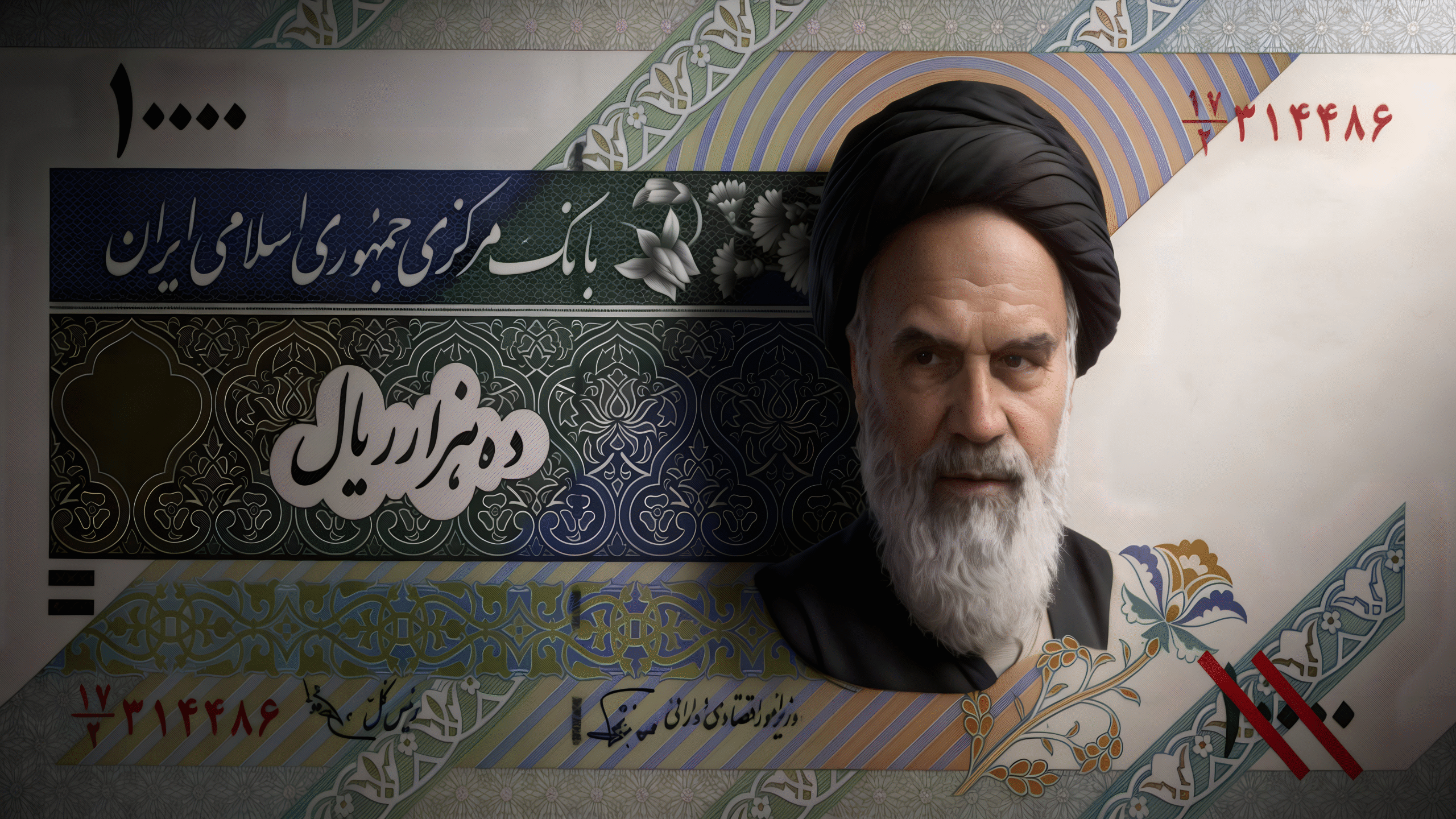
Iran’s Rial Hits New Lows
Tehran, Iran — Iran’s national currency, the rial, has fallen to unprecedented depths, underscoring the scale of an economic crisis that is no longer confined to financial markets but is increasingly visible on the country’s streets.
In early January 2026, the rial slid to around 1.45–1.47 million per US dollar on the open market, marking its weakest level on record. The collapse is not merely symbolic. It reflects years of mounting pressure from international sanctions, chronic inflation, and domestic policy constraints — pressures that are now converging into a moment of acute instability.
For ordinary Iranians, the exchange rate is no longer an abstract number. It dictates the price of bread, medicine, and fuel, and increasingly determines whether savings accumulated over a lifetime retain any real value at all.
A Currency in Free Fall
The pace of the rial’s decline has been striking. While Iran has long operated with multiple exchange rates — an official rate alongside a far weaker free-market rate — the gap between policy ambition and market reality has widened sharply.
Some international trading systems have reportedly ceased quoting the rial against the euro altogether, displaying technical placeholders rather than a meaningful conversion. While symbolic, the episode illustrates the extent to which the currency has become marginal in global financial infrastructure.
Economists say the current slide reflects a loss of confidence rather than a single shock. “Once expectations shift,” one Tehran-based analyst noted, “the currency becomes a casualty of fear as much as fundamentals.”
Structural Pressures, Long in the Making
Several forces lie behind the rial’s collapse:
Sanctions and dollar scarcity.
Restrictions on Iran’s oil exports and financial transactions have sharply reduced access to hard currency. Oil revenues — once the backbone of the state’s foreign-exchange earnings — are constrained, limiting the central bank’s ability to intervene meaningfully.
Persistent inflation.
High and sustained inflation has eroded purchasing power and encouraged households to abandon the rial in favour of dollars, gold, or tangible assets. This behaviour, in turn, fuels further depreciation.
Capital flight and policy credibility.
Uncertainty over economic management and political direction has accelerated capital outflows. Attempts at administrative controls on currency trading have offered only temporary relief, often pushing activity deeper into informal markets.
Together, these dynamics have produced a self-reinforcing cycle: a weaker rial drives inflation, which undermines confidence, which further weakens the currency.
Everyday Consequences
The effects are visible across Iranian society.
Prices of imported goods — from pharmaceuticals to industrial components — have surged. Small businesses reliant on foreign inputs face shrinking margins or closure. For middle-income households, savings denominated in rial have lost value at a pace that outstrips wage growth.
Even domestically produced goods are not immune. As costs rise along supply chains, inflation spreads, eroding living standards and widening inequality between those with access to foreign currency and those without.
Protests and Social Strain
Economic distress has spilled into public dissent. Demonstrations have been reported in major cities including Tehran and Isfahan, initially driven by rising living costs but increasingly framed as broader criticism of economic governance.
While protests linked to economic grievances are not new in Iran, the current wave carries a sharper edge. The collapse of the rial has become a visible symbol of economic mismanagement and declining prospects, particularly for younger Iranians facing limited employment opportunities.
Authorities have sought to calm markets and public sentiment, but confidence remains fragile.
Regional and Global Implications
Iran’s currency crisis also carries external consequences. Trade partners are growing more cautious, particularly in sectors such as food and consumer goods, where payment risk has increased. Some exporters now demand alternative settlement mechanisms or advance payments, complicating Iran’s access to essential imports.
At a regional level, prolonged instability in Iran’s economy could affect energy markets, migration flows, and geopolitical calculations, especially if social pressures intensify.
An Uncertain Path Forward
Stabilising the rial will require more than short-term interventions. Economists point to the need for credible monetary discipline, fiscal reform, and — crucially — improved access to global markets. Without a meaningful easing of external constraints or a restoration of domestic confidence, policy tools remain limited.
For now, the rial’s collapse stands as a stark indicator of an economy under strain. What began as a currency problem has become a broader test of resilience — for households, for institutions, and for the political system itself.
As long as inflation remains high and confidence elusive, the value of Iran’s currency is likely to remain a barometer not just of economic health, but of the country’s uncertain future.